






























What is SSL?
SSL certificates (Secure Sockets Layer) is a technology used for creating a safe and encrypted session between a web server (website) and a client (browser, mail client e.g. Outlook).




















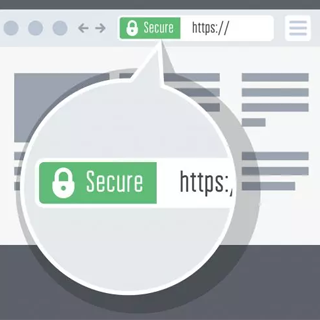
SSL certificates (Secure Sockets Layer) is a technology used for creating a safe and encrypted session between a web server (website) and a client (browser, mail client e.g. Outlook).
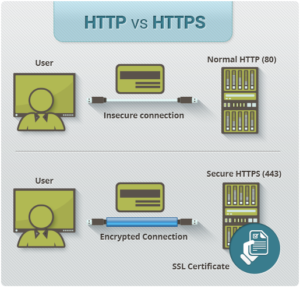
SSL permits precious information such as debit/credit cards, bank numbers, emails and login credentials to be securely transferred over the internet.

The HTTPS section shows that YouTube has an SSL certificate running the web server. If you look at the top section of your web browser at any website’s URL you’ll be able to see whether (HTTPS) have been implemented.
Communications sent over a website without SSL (HTTP) are at risk of being breached by a hacker that manages to break the connection between your browser and a website. This is problematic for both website owners or website browsers as sensitive details such as sensitive database information, credit cards and user logins are at risk of being compromised.
In contrast, websites using SSL certificates will securely send data between the client and web server by HTTPS protocols which protect against hackers and man in the middle attacks.
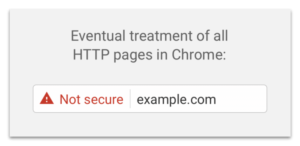
Stay ahead of the curve, as of 31st January 2017 Google’s updated Chrome browser will show a message in the location bar “Not secure” on pages without SSL that collect passwords or credit cards.
 This is part of a large scale roll out from Google to crack down on insecure sites particularly hosting HTTP protocols instead of HTTPS. Furthermore Google’s final rollout will be to label all plain HTTP pages in Chrome as “Not Secure”.
Looking for SSL implementation? Feel free to contact us for a quote.